Find High Tenacity Nylon Marine Rope for Shipping, Mooring, and Rigging
Explore 30 high tenacity nylon marine rope options to compare specifications, materials, and certifications. This guide helps buyers evaluate diameter ranges, structural types, and customization availability for secure maritime applications and outdoor gear needs; compare the available evidence and request quotations based on your requirements.
Key considerations
Products List


Comprehensive Sourcing Guide
High Tenacity Nylon Marine Rope Sourcing Guide
Procuring high tenacity nylon marine rope requires distinguishing between general utility lines and specialized marine-grade assets capable of withstanding dynamic loads. The observed market listings indicate a diverse range of products, from 2mm decorative strands to heavy-duty 120mm industrial lines, often constructed from polyester-nylon blends or pure nylon fibers. Buyers must carefully align their specific operational needs with the observed product attributes, such as the "strand plaited" or "8 strands" structures, to ensure the selected rope meets the tensile demands of their intended application.
Verification of the material composition is critical, as listings frequently cite "polyester nylon" or "nylon" without always specifying the exact blend ratio or fiber quality. While some entries highlight "high tenacity" as a key feature, this attribute must be validated against the specific model numbers like Nylon-7 or Nylon-20 to confirm performance consistency. Sourcing strategies should prioritize suppliers who provide clear definitions of the fiber structure, ensuring the rope offers the necessary elasticity and shock absorption required for marine environments rather than just static strength.
Product Scope and Observed Listing Signals
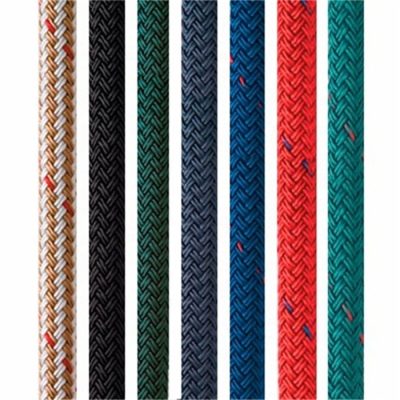
The available product scope spans a wide spectrum of diameters, with observed specifications ranging from 2mm up to 120mm, catering to everything from small boat rigging to heavy cargo securing. Listings frequently describe the product as "colorful" or available in custom colors like tan and white, which serves both functional identification and aesthetic purposes in decorative or security applications. Buyers should note that while some products are marketed for agriculture or packaging, the core marine applications focus on shipping and outdoor gear, requiring a clear understanding of the specific usage context before selection.
Listing signals often include varied packaging formats, from woven bags and export cartons to reels, coils, and hanks, which directly impacts logistics planning and storage requirements. The observed minimum order quantities fluctuate significantly, with some suppliers listing 500 pieces while others require 1000 meters, necessitating a precise calculation of total project needs to avoid overstocking or supply gaps. Additionally, the presence of customization options for logos and packing suggests that many manufacturers are prepared to tailor the product, but buyers must confirm these capabilities early to ensure the final delivery matches their branding and operational standards.
Technical Specifications to Verify
Diameter consistency is a primary technical verification point, as observed ranges vary from 4mm to 120mm depending on the specific model, such as the Nylon-20 or PP01 variants. Buyers must confirm that the stated diameter aligns with the load-bearing requirements of their specific marine application, as a 4mm line will perform fundamentally differently than a 36mm or 120mm line. It is essential to request detailed cross-sectional data to verify the "8 strands" or "twist rope" construction, ensuring the physical structure matches the advertised type and can handle the expected friction and wear.
The structural integrity of the rope, whether described as "braided," "twist," or "parallel fiber," dictates its handling characteristics and resistance to abrasion. Verification should extend to the standard specifications, which may be listed as customizable or adhere to specific ranges like 3/16" to 3/4", to ensure compatibility with existing winches and cleats. Buyers should explicitly request test data regarding elongation and breaking strength, as the "high tenacity" claim requires empirical backing to guarantee safety during high-stress marine operations where failure could result in significant loss.
Compliance and Safety Documentation
Safety documentation is paramount when sourcing marine rope, with observed certifications including CCS, ABS, GL, DNV, and LR, which are critical for commercial shipping and offshore operations. These certifications indicate that the product has undergone rigorous testing for material integrity and performance under marine conditions, but buyers must verify that the specific certification applies to the exact model and material composition being purchased. The presence of ISO9001 and CE marks suggests a baseline of quality management, yet the specific marine standards like CCS or ABS provide the necessary assurance for regulatory compliance in international trade.
Documentation should also cover the material composition, as some listings specify "nylon" while others indicate "pp" or "fiber," which affects chemical resistance and UV stability. Buyers must ensure that the provided certificates explicitly cover the "strand plaited" or "braided" construction type to avoid discrepancies between the certified sample and the bulk shipment. It is advisable to request the full test reports associated with these certifications to confirm that the rope meets the specific safety thresholds required for the intended marine environment, particularly regarding fire resistance and buoyancy if applicable.
Cost Drivers and Commercial Terms
Cost drivers in this market are heavily influenced by the material composition, with nylon and polyester blends generally commanding higher prices than standard polypropylene options due to superior strength and elasticity. The observed price range of 0.2 to 2500 USD reflects the vast difference between small decorative items and large industrial coils, making it essential for buyers to define their exact diameter and length requirements to obtain accurate quotes. Customization features, such as specific color coding or logo printing, can also add to the unit cost, requiring a clear assessment of whether these value-added services are necessary for the project.
Commercial terms vary significantly, with minimum order quantities ranging from 500 pieces to 1000 meters, which can impact the overall unit price and cash flow requirements. Buyers should negotiate based on the total volume needed, as larger orders often qualify for better pricing tiers, but must balance this against storage costs and lead times. The packing method, whether in woven bags, color boxes, or export cartons, also affects shipping costs and should be factored into the total landed cost calculation to ensure the procurement budget remains within acceptable limits.
Supplier Qualification and Quality Control
Supplier qualification should focus on manufacturers with a proven track record in marine applications, evidenced by their ability to provide multiple certifications like CCS, ABS, and ISO9001. Buyers must verify the supplier's origin, as many listings indicate production in China, specifically Jiangsu, which is a known hub for rope manufacturing but requires careful vetting to ensure consistent quality control. The ability to support samples is a positive indicator of supplier confidence, allowing buyers to physically test the rope's tenacity and construction before committing to a large-scale order.
Quality control processes must be explicitly defined, including in-process inspections and final testing protocols to ensure the "high tenacity" claim is met across the entire batch. Buyers should request a detailed quality assurance plan that covers material sourcing, production monitoring, and final inspection criteria to mitigate the risk of receiving substandard goods. Establishing a clear communication channel for addressing defects and ensuring that the supplier adheres to the agreed-upon specifications, such as the 4-36mm diameter range, is essential for maintaining the integrity of the supply chain.
Long-Term Procurement Checks
Long-term procurement success depends on establishing a robust relationship with suppliers who can consistently deliver products that meet evolving marine standards and operational demands. Buyers should implement a periodic review process to assess the supplier's ability to maintain certification validity and adapt to new safety regulations, ensuring that the rope supply remains compliant over time. Regular audits of the production facility and quality control records can help identify potential issues early, preventing disruptions in critical marine operations that rely on high-performance rope.
Performance tracking of the supplied rope in real-world conditions is vital for validating the initial selection and identifying any long-term degradation issues. Buyers should maintain detailed records of usage, including exposure to saltwater, UV radiation, and mechanical stress, to correlate field performance with the supplier's technical data. This feedback loop allows for continuous improvement in the procurement strategy, ensuring that future orders are based on proven performance data rather than initial marketing claims, thereby securing a reliable supply of high-tenacity marine rope for years to come.
FAQs
What is the diameter range for high tenacity nylon marine rope
The diameter range for high tenacity nylon marine rope typically spans from 4mm to 120mm. This wide variety allows buyers to select the appropriate thickness for specific applications, ranging from light-duty outdoor gear to heavy-duty shipping lines. Always verify the exact size requirements for your project.
What certifications are available for high tenacity nylon marine rope
High tenacity nylon marine rope often carries certifications such as CCS, ABS, GS, CE, and ISO9001. These certifications indicate compliance with international safety and quality standards. Buyers should request current certificates from suppliers to ensure the product meets their specific regulatory and operational requirements.
Can high tenacity nylon marine rope be customized for specific needs
Yes, high tenacity nylon marine rope can be customized to meet specific buyer requirements. Suppliers often offer options for different colors, packaging styles, and structural configurations. Customization ensures the rope fits precise application needs, such as specific knotting techniques or branding requirements for commercial use.
What is the typical MOQ for high tenacity nylon marine rope
The minimum order quantity for high tenacity nylon marine rope varies by supplier, with common MOQs ranging from 500 pieces to 1000 meters. Buyers should confirm the specific MOQ with their chosen vendor, as it may depend on the rope diameter, customization level, and current production capacity.
What materials are used in high tenacity nylon marine rope
High tenacity nylon marine rope is primarily made from nylon or polyester fibers. These materials provide excellent strength, abrasion resistance, and durability in marine environments. The specific fiber blend may vary, so buyers should check the material composition to ensure it suits their application.
What are the common uses for high tenacity nylon marine rope
High tenacity nylon marine rope is used for shipping, outdoor gear, agriculture, and security applications. Its high strength and durability make it suitable for heavy loads and harsh conditions. Buyers can also use it for decoration and packaging, depending on the specific rope specifications and requirements.
How is high tenacity nylon marine rope typically packaged
High tenacity nylon marine rope is usually packaged in woven bags, export cartons, or on reels and coils. The packaging method depends on the rope length and buyer requirements. Proper packaging ensures the rope remains clean and undamaged during shipping and storage, maintaining its performance.